logo
বাড়ি

ব্লগ সম্বন্ধে Packaging Industry Navigates Shift to Biodegradable Solutions

সাক্ষ্যদান
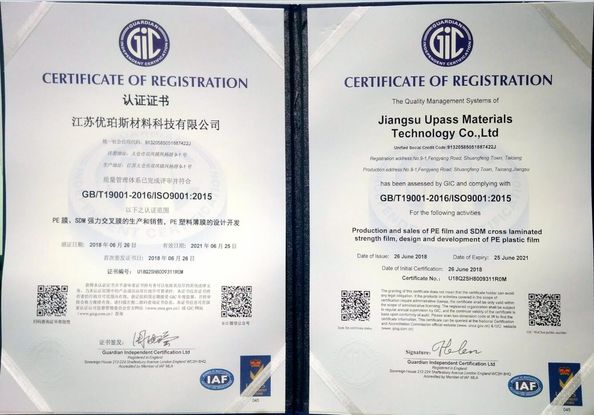
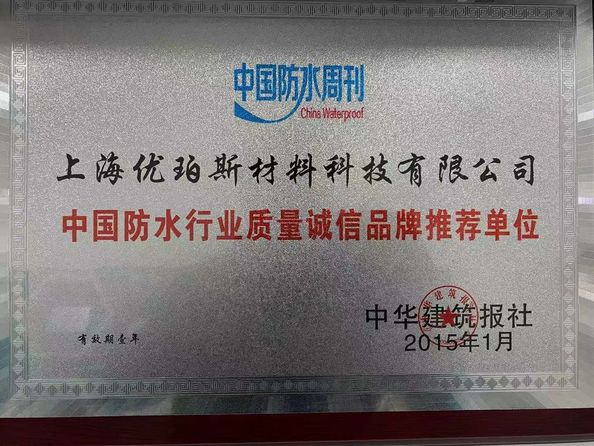
চীন Upass Material Technology (Shanghai) Co.,Ltd. সার্টিফিকেশন
তোমার দর্শন লগ করা অনলাইন চ্যাট এখন
কোম্পানির ব্লগ
Packaging Industry Navigates Shift to Biodegradable Solutions
সর্বশেষ কোম্পানির খবর Packaging Industry Navigates Shift to Biodegradable Solutions

Biodegradable packaging films are moving from laboratory research into industrial production as manufacturers and regulators search for alternatives to conventional plastics. Unlike petroleum-based films that can persist for centuries, these materials are designed to break down through microbial action under specific conditions. The shift is being framed as one component of broader efforts to build more sustainable supply chains.

Core technology and environmental value

Biodegradable packaging derives its environmental appeal from both its feedstock and its end-of-life behavior. Most such materials are made from plant-based polymers, including corn starch and cellulose, which can be broken down by bacteria and fungi. Compared with conventional polyethylene film, producers cite three principal advantages.

  • Shorter degradation timelines: Under suitable industrial composting or natural conditions, breakdown can occur within months.
  • Lower carbon footprint: Plant-derived feedstocks can reduce life-cycle carbon emissions from packaging.
  • Less microplastic accumulation: Biodegradation is intended to reduce the long-term buildup of plastic fragments in ecosystems.
Typical materials and industry standards

Cellulose-based films, such as cellophane, are among the more widely used biodegradable materials. Made from natural polymers extracted from wood pulp, these films offer good transparency and physical performance. Their degradation efficiency, however, depends heavily on environmental conditions.

Standard Scope Core requirement
EN 13432 Packaging industrial composting Sets performance requirements for packaging recoverable through composting

In the UK and EU markets, biodegradable packaging must meet strict industrial composting standards such as EN 13432. Compliance means the material must not only degrade but also ensure that its breakdown products are non-toxic to soil.

Pathways for business transition

Companies moving toward biodegradable packaging should follow a systematic assessment process. The first step is to define functional requirements, followed by establishing certified sourcing channels and deepening joint development with suppliers. Internal employee training and consumer education are equally important. Transparent disclosure helps ensure that packaging is handled correctly at the end of its life.

Future trends

With circular economy principles gaining ground, the biodegradable film sector is seeing advances on several fronts.

  • New raw materials: Films based on algae, mushrooms, and other biomass are under development, aiming to reduce reliance on arable land.
  • Performance improvements: Modification technologies are being used to enhance barrier properties and mechanical strength, allowing films to suit more food and industrial packaging applications.
  • Policy and market alignment: Stricter regulation and consumer preference for sustainable products are together driving scale-up of the biodegradable packaging market.

The trajectory points to continued investment in materials science and certification infrastructure, though performance and disposal conditions remain central to whether the category can displace conventional films at scale.

Frequently Asked Questions
Can biodegradable films degrade in home composting?
Not all biodegradable films are suitable for home composting. Many require the high temperatures and humidity provided by industrial composting facilities. Consumers should check the product label for a “Home Compostable” certification.
How can packaging materials be verified as compliant with EN 13432?
Companies should ask suppliers for third-party test reports or certificates. Compliant materials typically carry the logo of an accredited certification body on the packaging, allowing buyers to verify industrial compostability.
What is the essential difference between biodegradable films and recyclable plastics?
Recyclable plastics such as PET are designed to be recovered through physical or chemical recycling so that material value is retained. Biodegradable films are designed to break down into organic matter and return to natural cycles. The two require different collection infrastructure and end-of-life pathways.
পাব সময় : 2026-10-25 00:00:00 >> ব্লগ তালিকা
যোগাযোগের ঠিকানা
Upass Material Technology (Shanghai) Co.,Ltd.

ব্যক্তি যোগাযোগ: Mrs. Joyce Wu

টেল: 13122927888

আমাদের সরাসরি আপনার তদন্ত পাঠান (0 / 3000)