আধুনিক শিল্প ও নির্মাণ খাতে, প্রকল্পের সাফল্য প্রায়শই উপকরণের কর্মক্ষমতার উপর নির্ভর করে। বিশেষ করে যেখানে ব্যতিক্রমী স্থায়িত্ব, জলরোধীতা এবং স্থিতিশীলতার প্রয়োজন হয়, সেখানে উচ্চ-কার্যকারিতা সম্পন্ন ফিল্ম উপকরণগুলি একটি গুরুত্বপূর্ণ ভূমিকা পালন করে। এই নিবন্ধটি কালো ২৬০-মাইক্রন উচ্চ-ঘনত্বের পলিথিন (HDPE) ক্রস-ল্যামিনেটেড ফিল্মের উপর আলোকপাত করে, এর অনন্য উৎপাদন প্রক্রিয়া, মূল কর্মক্ষমতার সুবিধা এবং বিভিন্ন প্রয়োগ পরীক্ষা করে।
১. ক্রস-ল্যামিনেশন প্রযুক্তি: উন্নত কর্মক্ষমতার ভিত্তি
প্রচলিত একক-স্তর বা বহু-স্তর কো-এক্সট্রুডেড ফিল্মগুলি প্রায়শই কঠোর পরিস্থিতিতে উচ্চ-শক্তি এবং উচ্চ-স্থিতিশীলতার প্রয়োজনীয়তা পূরণে ব্যর্থ হয়। কালো ২৬০-মাইক্রন HDPE ক্রস-ল্যামিনেটেড ফিল্ম তার উদ্ভাবনী উৎপাদন প্রক্রিয়ার মাধ্যমে এই সীমাবদ্ধতাগুলি দূর করে।
মূল উপকরণ এবং মৌলিক গঠন
ফিল্মটি উচ্চ-ঘনত্বের পলিথিন (HDPE) এর উপর ভিত্তি করে তৈরি, যা একটি থার্মোপ্লাস্টিক যা এর যান্ত্রিক শক্তি, রাসায়নিক প্রতিরোধ ক্ষমতা এবং কম ভেদ্যতার জন্য পরিচিত। উৎপাদনের সময়, HDPE নির্দিষ্ট অনুপাতে প্লাস্টিকাইজার, স্টেবিলাইজার, অ্যান্টিঅক্সিডেন্ট, ইউভি অ্যাবজরবার এবং টাফেনিং এজেন্টগুলির সাথে মিশ্রিত করা হয়। তারপর নির্দিষ্ট পুরুত্বের ফিল্ম সাবস্ট্রেট তৈরি করতে মাল্টি-লেয়ার কো-এক্সট্রুশন ব্লো মোল্ডিং প্রযুক্তি ব্যবহার করা হয়।
সূক্ষ্ম স্ট্রেচিং এবং ওরিয়েন্টেশন
সাবস্ট্রেটটি একাধিক দিকনির্দেশক স্ট্রেচিং প্রক্রিয়ার মধ্য দিয়ে যায়, পলিথিন আণবিক চেইনগুলিকে নির্দিষ্ট ওরিয়েন্টেশনে সারিবদ্ধ করে। এটি প্রসার্য শক্তি এবং ছিঁড়ে যাওয়া প্রতিরোধ ক্ষমতাকে উল্লেখযোগ্যভাবে উন্নত করে। স্ট্রেচিং ফ্রিকোয়েন্সি, তাপমাত্রা এবং গতি নিয়ন্ত্রণ করে, টেইলরড আণবিক ওরিয়েন্টেশন সহ সাবস্ট্রেট অর্জন করা হয়।
ক্রস-ল্যামিনেশনের বিজ্ঞান
এর সংজ্ঞায়িত বৈশিষ্ট্য হল ক্রস-ল্যামিনেশন কৌশল। দুটি বা ততোধিক দিকনির্দেশকভাবে প্রসারিত সাবস্ট্রেট প্রায় ৯০-ডিগ্রী কোণে স্তুপীকৃত এবং ল্যামিনেট করা হয়। এই লম্ব আণবিক বিন্যাস প্রচলিত সমান্তরাল কাঠামোর থেকে মৌলিকভাবে ভিন্ন, যা চূড়ান্ত পণ্যকে ব্যতিক্রমী বৈশিষ্ট্য প্রদান করে।
অপ্টিমাইজড উৎপাদন
নির্মাতারা উন্নত ফিল্ম ব্লোয়িং এবং ল্যামিনেটিং সরঞ্জাম ব্যবহার করে প্রতিটি উৎপাদন পর্যায়—HDPE এক্সট্রুশন থেকে চূড়ান্ত ক্রস-ল্যামিনেশন পর্যন্ত—কঠোর মানের মান পূরণ করে তা নিশ্চিত করে। এই পুঙ্খানুপুঙ্খ প্রক্রিয়া ধারাবাহিক কর্মক্ষমতা এবং নির্ভরযোগ্যতা নিশ্চিত করে।
২. কর্মক্ষমতার সুবিধা: কেন ক্রস-ল্যামিনেটেড ফিল্ম বেছে নেবেন?
ক্রস-ল্যামিনেশন কালো ২৬০-মাইক্রন HDPE ফিল্মকে চাহিদাপূর্ণ প্রয়োগের জন্য অতুলনীয় বৈশিষ্ট্য প্রদান করে।
-
মাত্রিক এবং তাপীয় স্থিতিশীলতা:
এই কাঠামো তাপমাত্রার ওঠানামার অধীনে মাত্রিক পরিবর্তনগুলি হ্রাস করে, এমনকি ১২০°C তাপমাত্রায় ১০ মিনিটের জন্যও এর অখণ্ডতা বজায় রাখে।
-
ছিঁড়ে যাওয়া এবং ছিদ্র প্রতিরোধ ক্ষমতা:
ওরিয়েন্টেশন জুড়ে অভিন্ন টান বিতরণ বাহ্যিক শক্তিকে ছড়িয়ে দেয়, ছিঁড়ে যাওয়া প্রতিরোধ করে এবং ভোঁতা আঘাত প্রতিরোধ করে।
-
আবহাওয়া এবং রাসায়নিক প্রতিরোধ ক্ষমতা:
ক্ষয়প্রাপ্ত না হয়ে চরম জলবায়ু পরিবর্তন এবং ক্ষয়কারী পদার্থের সংস্পর্শ সহ্য করে।
-
নিম্ন-তাপমাত্রার নমনীয়তা:
-৩৫°C তাপমাত্রায় নমনীয়তা বজায় রাখে, ঠান্ডা অঞ্চলের প্রয়োগের জন্য ভঙ্গুরতা দূর করে।
-
ছিঁড়ে যাওয়া প্রতিরোধ ক্ষমতা:
কাঠামোগত নকশা ছোট ছিদ্র থেকে ছিঁড়ে যাওয়া বিস্তার বন্ধ করে, দীর্ঘস্থায়িত্ব বাড়ায়।
-
কাস্টমাইজেশন:
একাধিক রঙে (কালো, ধূসর, নীল, সবুজ) উপলব্ধ, কার্যকরী বা নান্দনিক প্রয়োজনের জন্য ঐচ্ছিক পৃষ্ঠ মুদ্রণ সহ।
৩. প্রয়োগের বর্ণালী: জলরোধীতার বাইরে
ফিল্মের শক্তিশালী বৈশিষ্ট্যগুলি বিভিন্ন শিল্প জুড়ে বিভিন্ন ব্যবহার সক্ষম করে:
নির্মাণ জলরোধীতা
ছাদ, বেসমেন্ট, টানেল এবং সেতুর জন্য আদর্শ, এটি পরিবেশগত চাপ থেকে স্থায়িত্ব প্রদানের পাশাপাশি আর্দ্রতা প্রবেশ প্রতিরোধ করে।
উচ্চ-কার্যকারিতা প্যাকেজিং
পরিবহন এবং সংরক্ষণের সময় ভারী পণ্য এবং বহিরঙ্গন সরঞ্জামগুলিকে রক্ষা করে, বিশেষ করে যেখানে ছিঁড়ে যাওয়া প্রতিরোধ ক্ষমতা গুরুত্বপূর্ণ।
মুদ্রণ সাবস্ট্রেট
এর মসৃণ পৃষ্ঠ এবং মুদ্রণ সামঞ্জস্যের কারণে বহিরঙ্গন চিহ্ন, মানচিত্র এবং বিজ্ঞাপনের জন্য একটি টেকসই মাধ্যম হিসাবে কাজ করে।
কাস্টম কম্পোজিট
যখন বাধা বা শক্তিশালীকরণ উপকরণের সাথে মিলিত হয়, তখন এটি প্যাকেজিং বা কাঠামোগত প্রয়োগে বিশেষ প্রয়োজনীয়তা পূরণ করে।
৪. প্রযুক্তিগত স্পেসিফিকেশন এবং গুণমান নিশ্চিতকরণ
ব্যাপক পরীক্ষা ফিল্মের কর্মক্ষমতা মেট্রিকগুলি বৈধতা দেয়:
|
প্যারামিটার
|
SDM-30
|
SDM-60
|
|
প্রসার্য শক্তি (MPa)
|
≥30
|
≥50
|
|
সর্বোচ্চ বল (N/50mm)
|
≥200
|
≥300
|
|
প্রসারণ (ছেঁড়া পর্যন্ত) (%)
|
≥250
|
≥250
|
|
ছিঁড়ে যাওয়া শক্তি (N)
|
≥60
|
≥60
|
|
নিম্ন-তাপমাত্রার নমনীয়তা (-৩৫°C)
|
কোন ফাটল বা ডিল্যামিনেশন নেই
|
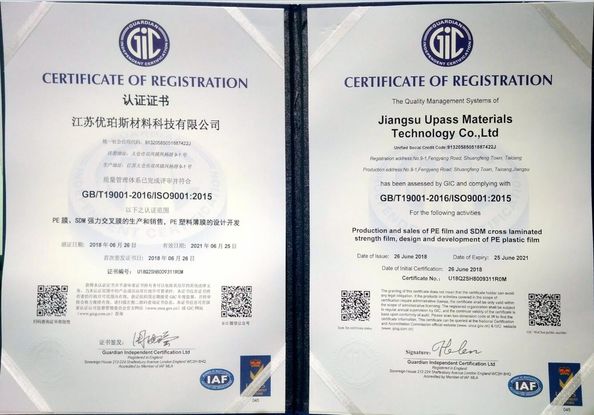
পণ্যগুলি আন্তর্জাতিক সার্টিফিকেশন (CE, ROHS) মেনে চলে, গুণমান এবং নিরাপত্তা নিশ্চিত করে।
৫. উদ্ভাবন-চালিত উপাদান সমাধান
২০০৮ সালে প্রতিষ্ঠার পর থেকে, নির্মাতারা পলিমার ফাংশনাল ফিল্মগুলিতে বিশেষজ্ঞ, শিল্প সমিতিগুলিতে নেতৃত্বস্থানীয় ভূমিকা পালন করে। টেকসই উন্নয়নকে মূল নীতি হিসাবে গ্রহণ করে, অবিরাম গবেষণা ও উন্নয়ন ১০০ টিরও বেশি পেটেন্ট অর্জন করেছে। নির্মাণ, স্বয়ংচালিত, ইলেকট্রনিক্স এবং গ্রাফিন হিটিং ফিল্ম এবং বায়োডিগ্রেডেবল উপকরণের মতো উদীয়মান ক্ষেত্রগুলিতে এর প্রয়োগ বিস্তৃত।
প্রযুক্তিগত অগ্রগতির মাধ্যমে, কালো ২৬০-মাইক্রন HDPE ক্রস-ল্যামিনেটেড ফিল্ম নিজেকে একটি অত্যাবশ্যক উচ্চ-কার্যকারিতা সম্পন্ন উপাদান হিসাবে প্রতিষ্ঠিত করেছে, যা শিল্প জুড়ে ভবিষ্যতের চ্যালেঞ্জ মোকাবেলার জন্য প্রস্তুত।


 আপনার বার্তাটি 20-3,000 টির মধ্যে হতে হবে!
 Bengali